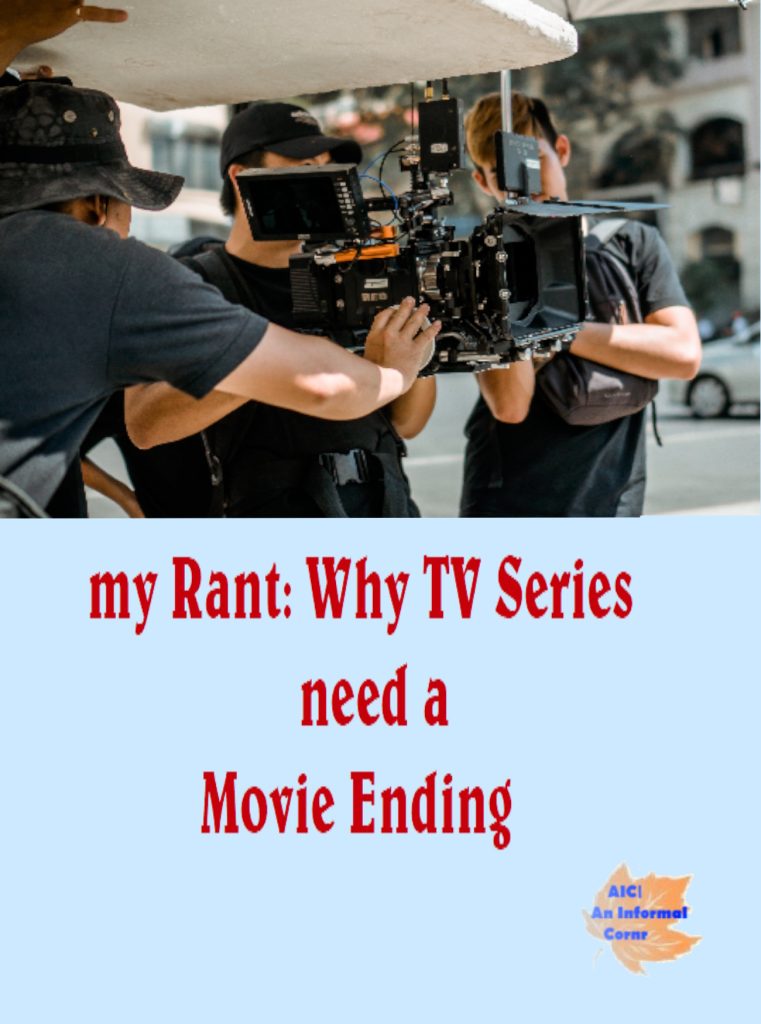
In recent years, the world of entertainment has witnessed a significant shift towards TV series, captivating audiences with their compelling story lines and complex characters. Viewers would invest their time and emotions into these shows including me. So, here is my Rant, why TV show SERIES need a Movie Ending!
The conclusion of a tv series becomes an important and crucial part of the experience. However, many TV show endings have left fans feeling unsatisfied or even disappointed. This article delves into the problem with TV show endings and presents an alternative approach: concluding a beloved series with a Movie!
I go into exploring the potential benefits and addressing concerns, we propose a new way to provide a more fulfilling finale to our favorite TV shows. Wouldn’t that be better?
The Popularity of TV Series
In recent years, TV show series have become the ruling champs of the entertainment world. From captivating dramas to hilarious comedies, these series have taken over our screens and our lives.
Whether alone or with family, and or friends. We plop ourselves down and tune into our favorite shows at the specified hour. Some of my family call them ‘soaps‘ but after a day with the children, and work, time alone is chill time. Right?

It’s hard to resist the temptation of binge-watching our favorite shows, consuming episode after episode like there’s no tomorrow. Enjoying a marathon binge usually comes after the TV show is available on disks as a DVD or Blu-Ray package. It’s a ‘re-living’ of the magic‘ found in the show.
The surge in TV show popularity hasn’t gone unnoticed by the entertainment industry. Movies, once the reigning kings and queens of storytelling, are now sharing the spotlight.
TV shows have revolutionized the way we consume content, offering serialized narratives that keep us hooked for weeks on end. But with this dominance comes a challenge: how do TV shows properly conclude their stories and leave viewers satisfied?
On a side note – Isn’t it awesome we have Free TV, and streaming platforms now? We can access our favorite shows with not just our TV but also on our tech gadgets such as our cellular phones, tablets, iPads, computer, and laptop! We are a tad spoiled, yeah? Shh! I didn’t say anything. 🙂

The Problem with TV Series Endings
TV series endings can be a tricky business. With multiple seasons and numerous story lines to wrap up, creators face the daunting task of tying loose ends and providing closure.
It’s no wonder that many shows stumble at the finish line, leaving fans scratching their heads and feeling disappointed.
We’ve all experienced it – the frustration of investing hours into a show, only to be met with an underwhelming finale. Too often, plots are rushed, characters quests or challenges are left unresolved, and fans are left feeling unsatisfied.
It’s as if the writers forgot to consider perspectives of you, and me, the viewers, leaving us hanging, and leaving fans frustrated with disappointment. Maybe a forum about our favorite shows can help producers pinpoint key episodes that will or may need closure? Even use a hashtag # for fans to use for quick search, wherever a hashtag is allowed?
The Appeal of Offering a Movie as the Conclusion
But fear not, dear viewers, for there is a solution or two that could bring us the closure we crave. Imagine, if you will, a TV series that bids farewell not with a rushed episode, but with a grand cinematic movie.
Offering a movie as the conclusion to a beloved series could be the answer to find balance for our discontent and sweet solace. Would you pay to see the movie finale?
One of my own examples, Firefly was cancelled but then had a movie made called Serenity. It brought the answers to the mystery of they’re constant harassment from the government, and scientists. It brought closure to many story areas along with heartbreak, touch of humor, and even had you worried about further losses for our favorite characters.
It was an awesome ending, and very well put together. Yes, I have the series and the movie in my DVD/Blu-Ray collection too. I watch it whenever, and where ever I am in the mood for this show. I’m a Fan, what can I say? Don’t you have a library of favorite movies?
Enhanced Storytelling & Character Development in Movies
A movie finale would allow creators to take their time, providing a more satisfying resolution to complex story lines. With a longer runtime, they could delve deeper into the characters we’ve grown to love, giving them the closure they deserve.
Characters bring life to any story, and movies provide an excellent opportunity to give them the spotlight they deserve. With a cinematic finale, creators can dive into the personalities of their characters, allowing for further growth, self-discovery, and resolution. This deeper exploration can leave a lasting impact on viewers, and create a truly memorable conclusion.
Plus, the big screen treatment would elevate the production, giving fans the grand finale they’ve been waiting for.
Movies have a unique advantage when it comes to storytelling. Their longer format allows for a deeper exploration of plot lines, enabling creators to tie up loose ends and bring narrative threads together in a seamless and satisfying way. This extra time and space can result in a more cohesive and emotionally, impactful conclusion for us fans.

TV series can bid farewell in style, and leave a lasting impression on their fans by offering a movie as the conclusion. With enhanced storytelling, character development, and a grand cinematic spectacle.
So, let’s raise our remotes and demand that our favorite shows go out with a bang! We should all stand outside, banging pots for attention, and signs demanding a movie finale, maybe stomp our feet too? A bit much? ok, a little dramatic, I’m a Fan! 🙂
Increased Audience Engagement , Satisfaction, and Memory
Imagine this: you’re sitting on your couch, binge-watching your favorite TV series, and suddenly the season finale hits you like a freight train, and a message, ‘To Be Continued‘. You’re left there, wondering, where’s the closure? This is it? and you wait, and still waiting, five years later? Really? Being polite, what the hey is going on?

We’ve all been there, right? Well, offering a movie as the grand finale could be the answer to our prayers. Not only that though – Season finales, and Premiers really should be TV movie length, yeah? Even running together as Part 1 and Part 2 are welcome, and would get my full attention. How about you?
By providing a movie to wrap up the loose ends and tie up the story lines, TV show creators can ensure that their audiences feel fulfilled. No more questions wondering what happened to your favorite character? With a movie, everything can be neatly wrapped up with a pretty bow, leaving audiences satisfied and eager for more.
As a Fan, I pay attention to names of the producers, and writers. If I see their name or mention of a favorite movie they had produced, I remember. I will get the schedule, and time of the new show, to check it out. I may find another favorite, so I am all in. How about you? do you remember or keep their names in mind?
Financial Possibilities & Potential Marketing Advantages
Let’s not forget about the financial aspect, because let’s face it, money talks. Offering a movie as an ending to a popular TV show can be a win-win for both the audience and the production companies.

From the audience’s perspective, it’s like getting a bonus feature-length film that continues the story they love, and addition to our home movie collection library. And for the production companies, it’s a clever way to capitalize on the existing fan base and generate additional revenue.
Plus, releasing a movie can create a buzz and generate excitement, leading to increased ticket sales and potential merchandising opportunities. Next to creating a name buzz for the producers, and writers. Actors and actresses don’t always take all the credit for a movie or TV show.
Challenges and Limitations
Now, I know what you’re thinking. “But what about the potential drawbacks?” Fair point, my skeptical friend. There are some challenges and concerns that come with this approach.
One of the main concerns is the risk of diluting the essence of the TV series. Sometimes, creators try to stretch a story beyond its natural lifespan, resulting in a lackluster movie that tarnishes the legacy of the show. This is a worrisome concern, and it’s crucial for production companies to carefully consider maintaining the quality and integrity of the movie before green lighting it.
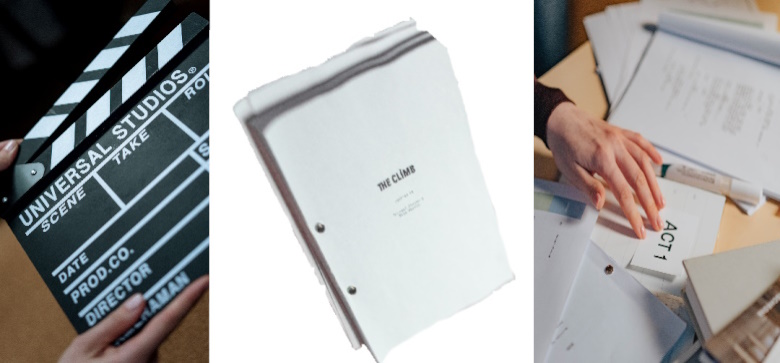
However, where there’s a will, there’s a way! To ensure successful transitions from TV show to movie, collaboration and careful planning are key. It is important to be involving the original creators, writers, and actors in the movie-making process.
The production companies can harness the authenticity and magic that made the TV series so beloved in the first place.
Additionally, by maintaining a strong and dedicated fan base, production companies can gauge audience interest and demand before committing to a movie, and look towards a two hour Finale. This way, they can make informed decisions and mitigate the risk of disappointing fans.
As mentioned earlier, make it a two-hour finale (and premiere!) if necessary but please do give us fans, an epic ending (or introduction) befitting our favorite TV series, and our beloved characters. Please? thank you?
Proposing a New Approach for TV Show Endings
So, my fellow TV fans, it’s time for a revolution in how we approach TV series endings. Offering a movie as the grand finale can provide a satisfying conclusion for us fans, the audience. Yes?
It’s also an opportunity for the film director to explore the financial needs, and marketing advantages to offer the FULL series on DVD, Blu-ray, or whatever the next technological advance of delivering movies will be. Imagine Holographic movies? Wowsy!
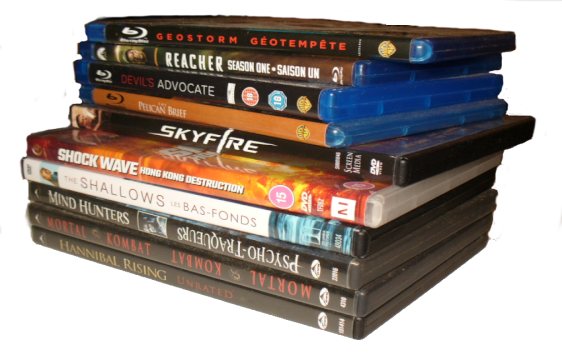
Of course, there are financial challenges and concerns that will need to be addressed, but with careful planning and collaboration, these obstacles can be overcome. As a Fan, if a Call-out for Donations to help finance a favorite TV show was all over social media – would you Donate? I would. 🙂
For now, let’s embrace this new approach and bid farewell to those frustrating cliffhangers. It’s time to re-imagine the way we conclude our favorite weekly TV series and embrace the idea of a cinematic finale. Lights, camera, action – let’s end our favorite TV series with a bang!
( Shhh! one other thing, wouldn’t it be nice to return to eight weeks of shows rather than the current five shows? or maybe let’s INVEST in movies! hmm)
Learning in Motion
Extra Reading Resources
Screenwriting Fundamentals – Chapman University PDF
Film Careers List: Job Descriptions & Salary Information
The Stages of Film Production: How Movies are Made
I hope you found this article informative and gained some new insight. Please feel free to leave your Comments and share your new found knowledge with others. Use the ‘Ask A Question’ form to make a request on a topic of your own interest. It is FREE to subscribe to my RSS feed.
AIC| An Informal Cornr, all rights reserved. Ginsense writes articles on business skills, development, health, science, technology and society and enjoys advocating for independence, security and a better world for all of us.